Property Insurance
Covers physical damage to infrastructure from power surges or grid failures.

What connects cosmic blasts with grids falling fast?
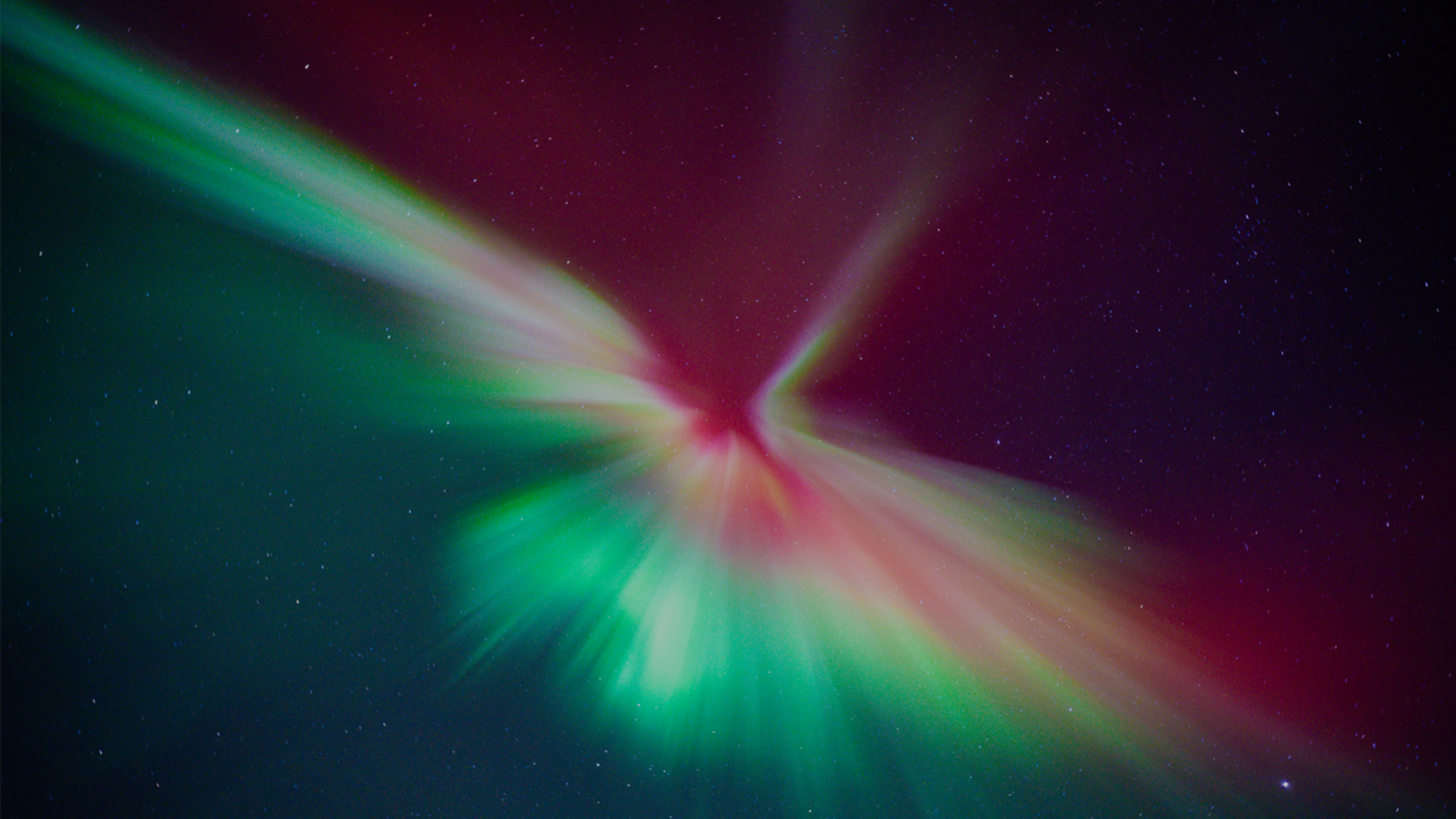
In 1859, a solar storm known as the Carrington Event lit up skies and knocked out telegraph systems across Europe and North America. Operators reported sparks flying from equipment, messages sent without batteries, and entire networks collapsing under the surge. It was the first recorded instance of space weather disrupting human infrastructure.
Fast forward to April 2025, and the Iberian Peninsula faced its own electric reckoning. At 12:33 CEST, a surge in voltage — not a shortage of power — plunged Spain and Portugal into darkness for nearly ten hours. The blackout wasn’t caused by over-reliance on renewables, as some feared. Instead, it was a cascading failure triggered by a lack of voltage control and insufficient thermal backup.
Solar and wind levels were stable. But the grid couldn’t absorb the shock when protective systems failed to manage the surge. The result? Over 50 million people affected, transport and emergency services disrupted, and a renewed call for grid resilience.
The Carrington Event and the Iberian blackout may be separated by centuries, but they share a lesson: infrastructure, no matter how advanced, is vulnerable to sudden surges. Whether it’s geomagnetic or grid-based, the impact can be swift and severe.
That’s where insurance steps in. From business interruption to reputational harm, coverage helps organisations recover from the fallout — and prepare for the next unexpected spike.
Because whether it’s a telegraph wire or a transmission line, resilience is the real power source.
Covers physical damage to infrastructure from power surges or grid failures.
Protects against income loss during extended outages.
Helps manage risks from cascading failures affecting critical systems.
Addresses vulnerabilities in smart grid and energy management systems.